When a roof begins showing signs of age or deterioration, it is understandable to wonder whether repairs are still worthwhile or whether a complete replacement would be the better long-term solution. However, an older roof does not automatically need replacing, and visible damage in one area does not necessarily mean the entire roofing system has reached the end of its useful life.
Many roofing problems remain localised. A slipped tile, damaged flashing or isolated leak may be repairable while the majority of the roof continues to perform effectively. The key is understanding the overall condition of the roof rather than making a decision based on age or one visible defect alone.
For homeowners in Pewsham, Wiltshire, LJ Roofing Pewsham can professionally assess an existing roof and determine whether targeted repairs remain appropriate or whether deterioration has become widespread enough for replacement to deserve consideration.
Roof Age Is Only Part of the Picture
Age is an important consideration when assessing a roof, but it should not be used in isolation.
Two roofs of a similar age can be in very different condition depending on their materials, previous workmanship, maintenance and exposure over the years.
An older roof that remains structurally sound with only limited defects could potentially continue performing well after suitable repairs.
The Overall Condition Matters More Than One Number
A professional assessment should consider factors including:
- The condition of the roof covering
- The extent of cracked, slipped or damaged tiles
- Evidence of recurring water ingress
- The condition of ridges and verges
- Flashing around roof junctions
- Signs of movement or deterioration
- The number and location of previous repairs
- Whether problems are isolated or widespread
Looking at the roof as a complete system provides a much clearer basis for deciding what it actually needs.
When Are Roof Repairs Still Worthwhile?
Roof repairs can remain entirely appropriate when the underlying roof is generally serviceable and the problem is confined to a specific area.
The objective is to correct the defect responsible for the problem while retaining the parts of the roof that continue to function correctly.
1. Damage Is Limited to a Small Area
A small section of damaged roofing does not necessarily justify replacing an entire roof.
If surrounding materials remain secure and serviceable, localised repairs may restore the affected area without unnecessary disruption elsewhere.
The important step is confirming that the visible defect really is isolated.
2. A Small Number of Tiles Are Damaged or Slipped
Individual roof tiles can become cracked, broken or displaced while the surrounding roof remains in good condition.
Where appropriate, replacing or repositioning affected tiles can restore the integrity of that particular section.
However, repeated tile movement across several areas may indicate a broader problem that requires further investigation.
3. The Leak Has a Clearly Identifiable Local Cause
A roof leak does not automatically mean that a new roof is required.
Water ingress may originate from one specific defect, such as damaged flashing, a slipped tile or another vulnerable detail.
Where the source can be accurately identified and the surrounding roof remains sound, a targeted repair can be a sensible solution.
Finding the Source Matters
The point where water appears inside the property is not always directly beneath the external defect.
Water can travel along roofing components before becoming visible internally.
Professional inspection is therefore valuable because repairing the wrong area can leave the original cause unresolved.
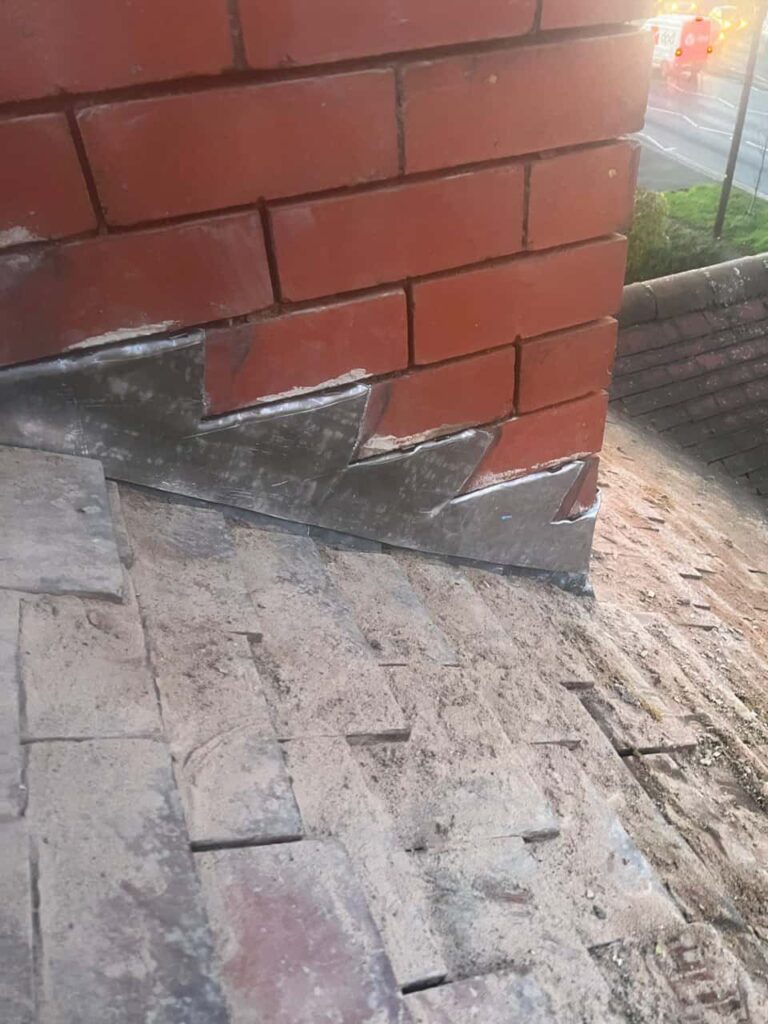
4. Lead Flashing or Roof Junctions Need Attention
Some leaks develop around the details where different parts of the roof meet.
Flashings around chimneys, walls and other junctions play an important role in keeping these vulnerable areas weather-resistant.
Deterioration in one of these details does not necessarily mean the main roof covering needs replacing.
If the wider roof remains serviceable, repairing the affected junction may be sufficient.
5. The Roof Has Not Developed Widespread Problems
The pattern of deterioration can tell you a great deal about whether repairs remain worthwhile.
One or two identifiable defects are very different from problems occurring throughout the roof.
A roof that remains consistent across most of its surface may still be a good candidate for local repair even if it is no longer relatively new.
When Does Repeated Repair Become a Concern?
Occasional repairs are a normal part of maintaining many roofs.
The situation becomes different when new problems appear regularly across multiple areas.
Warning Signs Can Include:
- Repeated leaks in different locations
- Increasing numbers of damaged tiles
- Several areas requiring attention within a relatively short period
- Widespread deterioration of roofing materials
- Previous repairs repeatedly failing
- Significant changes in roof alignment
- Problems affecting multiple roof details
At this stage, it becomes important to consider whether individual repairs are still addressing isolated defects or simply responding to symptoms of wider deterioration.
One Leak Does Not Automatically Mean You Need a New Roof
Discovering water inside a property can make the condition of the entire roof seem alarming.
However, the severity of the internal symptom does not necessarily indicate the extent of external deterioration.
A relatively small defect can sometimes allow significant water ingress during persistent rainfall.
The correct response is to establish where the water is entering and assess the surrounding roof before deciding whether repair or replacement is appropriate.
What Does Widespread Roof Deterioration Look Like?
A roof becomes a stronger candidate for replacement when deterioration is no longer confined to individual components.
Rather than finding one repairable problem, an inspection may reveal that numerous parts of the roofing system are declining simultaneously.
Examples May Include:
- Extensive tile deterioration
- Numerous slipped or damaged sections
- Widespread problems beneath the covering
- Recurring leaks from different locations
- Significant deterioration around several roof junctions
- General loss of roof integrity
In these circumstances, concentrating on one small repair at a time may no longer address the overall condition effectively.
Previous Repairs Can Provide Useful Clues
An older roof may naturally show evidence of previous maintenance.
This is not automatically a concern. Well-executed repairs can extend the useful service of a roof considerably.
What matters is the pattern.
If one particular defect was repaired successfully and the roof has remained sound, that is very different from a roof containing numerous patches where problems continue to reappear.
A professional inspection can consider previous work as part of the overall assessment.
Why the Condition Beneath the Tiles Matters
The visible roof covering is only one part of the roofing system.
A roof assessment may also need to consider the supporting structure and materials beneath the tiles where there are signs that deterioration extends beyond the surface.
Replacing individual tiles cannot correct a more substantial underlying problem.
Equally, a few damaged tiles should not be interpreted as evidence of widespread failure when everything beneath and around them remains serviceable.
Should You Replace a Roof Just Because It Looks Old?
Not necessarily.
Weathering and visual ageing do not always mean that a roof has stopped performing its primary function.
The more useful questions are:
- Is the roof still keeping water out effectively?
- Are defects isolated or widespread?
- Are roofing materials remaining secure?
- Have leaks become recurring?
- Are repairs lasting when completed?
- Is deterioration accelerating?
- Are several parts of the roof beginning to fail together?
The answers provide much more useful information than appearance alone.
Why Professional Roof Assessment Is Important
Deciding between repair and replacement requires an accurate understanding of what is happening across the roof.
A homeowner may be able to see a missing tile from ground level, but less obvious deterioration can be difficult to assess without roofing experience.
A Professional Assessment Can Help Establish:
- The likely source of a leak
- The extent of visible deterioration
- Whether surrounding roofing remains sound
- Whether defects are localised
- Whether previous repairs are performing correctly
- Whether problems indicate broader roof deterioration
This allows recommendations to be based on the actual condition of the roof rather than assumptions.
Good Roof Repairs Should Address the Cause
A worthwhile repair should do more than disguise the visible symptom.
If water is entering the property, the objective is to identify why. If tiles repeatedly move, the reason for that movement should be considered.
Repairing only what can immediately be seen may provide limited benefit when the underlying defect remains.
Professional roof repairs focus on establishing the cause and carrying out appropriate remedial work to restore the affected area.
When Can Replacement Become the More Sensible Approach?
A new roof becomes more relevant when deterioration affects such a significant proportion of the existing roof that individual repairs are no longer dealing with isolated problems.
This decision should be based on condition rather than automatically assuming that an older roof needs replacing.
Replacement May Deserve Consideration When:
- Problems are widespread
- Multiple sections are deteriorating
- Leaks occur repeatedly in different areas
- Roofing materials are extensively degraded
- Local repairs are no longer providing lasting results
- The overall roofing system has substantially deteriorated
A proper assessment helps distinguish this situation from an older roof that simply needs sensible maintenance.
Avoid Waiting for Minor Problems to Become Major Ones
If repairs are appropriate, carrying them out at the right stage can help prevent a local defect from affecting surrounding materials.
A slipped tile, damaged flashing or small leak may initially be confined to one location.
Leaving water ingress unresolved can allow moisture to affect a wider area, making what began as a relatively focused roofing problem more involved.
Early assessment gives homeowners a clearer understanding of what is required while the defect may still be localised.
Roof Repairs and Replacement in Pewsham
For homeowners in Pewsham, Wiltshire, deciding whether to repair or replace a roof should begin with its current condition.
At LJ Roofing Pewsham, we can assess roofing problems to establish whether deterioration is confined to repairable areas or forms part of a wider decline in the roofing system.
Where repairs remain worthwhile, targeted work can help preserve serviceable parts of the existing roof. Where deterioration has become extensive, a broader roofing solution can be considered based on the condition found during assessment.
Conclusion
Thinking about a new roof does not mean replacement is automatically necessary.
An older roof can still be worth repairing when damage is localised, the surrounding materials remain serviceable and individual defects can be properly identified and corrected. Slipped tiles, isolated leaks and deterioration around particular roof details can often be very different from widespread roof failure.
Replacement becomes more relevant when problems occur repeatedly across several areas and the roof as a whole is showing significant deterioration.
The most important step is therefore obtaining an accurate assessment before deciding what to do next. If you are concerned about the condition of your roof in Pewsham, Wiltshire, LJ Roofing Pewsham can inspect the affected areas and recommend an appropriate solution based on what your roof genuinely requires.
Call us on: 01249 911 071
Click here to find out more about LJ Roofing Pewsham
Click here to complete our contact form and see how we can help with your roofing needs.